



Automotive Manufacturing Meets 3D Printing
Traditional automotive manufacturing relies on subtractive processes such as mold casting, stamping, and machining—methods that are complex, time-consuming, and limited in flexibility. In contrast, 3D printing builds objects layer by layer, without the need for complex molds. This method brings unprecedented design freedom, rapid iteration, and production flexibility to the automotive sector. The integration of these technologies is not merely a technical overlay; it represents a paradigm shift toward "Industry 4.0" and intelligent manufacturing.
Why Does the Automotive Industry + 3D Printing Work?
The combination of automotive manufacturing and 3D printing is effective because it addresses the industry's core pain points:
1. Lightweighting and performance enhancement
3D printing allows for the creation of optimized topological structures that reduce part weight while maintaining strength, directly improving energy efficiency and driving range.
2. Design freedom and functional integration
By overcoming traditional manufacturing limitations, 3D printing enables complex lattice structures and the integration of multiple components into a single part. This optimization enhances fluid dynamics, thermal management, and overall performance.
3. Accelerated innovation cycles
From digital models to physical parts, 3D printing reduces the turnaround time from hours to days, significantly shortening the R&D validation process.
4. On-demand production and streamlined supply chains
3D printing supports low-volume, customized production, reducing inventory needs and enhancing supply chain resilience.
Key Applications across the Automotive Lifecycle
Design and rapid prototyping
During the concept and design stages, 3D printing allows for the quick and cost-effective production of appearance models, design validation prototypes, and aerodynamic test models. This enables design teams to identify and address potential issues early in the process, improving overall design quality and reducing costly revisions later on.
Tools and functional testing
3D printing is used to manufacture production aids such as jigs, fixtures, and gauges, as well as pre-production parts for functional testing. These tools and parts are produced rapidly and cost-effectively, allowing for continuous optimization and improvement throughout the development process.
Customization and end-use parts
For the growing personalized automotive market, 3D printing enables the production of customized interior and exterior components, as well as bespoke functional parts. Moreover, more durable end-use parts are increasingly being integrated directly into vehicles, particularly in high-end or niche models.
Low-volume production and mass production support
3D printing is ideal for low-volume production scenarios, such as specialty vehicles, racing cars, or classic car restorations. In large-scale manufacturing, it is used to produce complex spare parts, replace discontinued mold components, and supplement traditional production lines with high-precision parts.
Typical 3D Printed Automotive Parts by Vnici
Exterior components:
Customized grilles, spoilers, rearview mirror covers, lightweight hub covers, door handles, and complete body panels of the concept car etc.

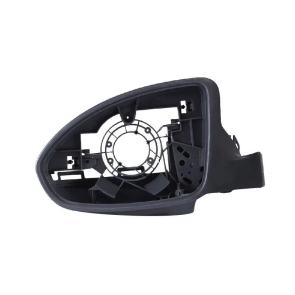
door handles rearview mirror covers
Interior components:
Dashboard trim, center console control panel, ergonomically customized steering wheel and personalized identification plates etc.
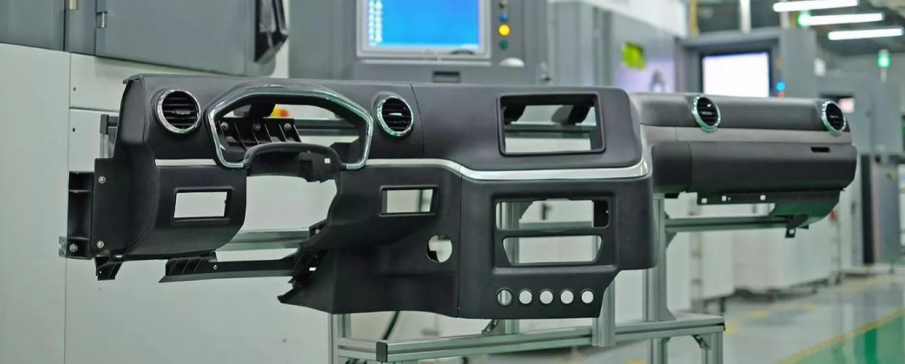
dashboard trim and center console control panel
Functional and structural components:
Brackets, manifolds, heat exchangers, brake caliper covers, cooling pipelines, electric vehicle battery pack shells, and thermal management system components in the engine compartment etc.

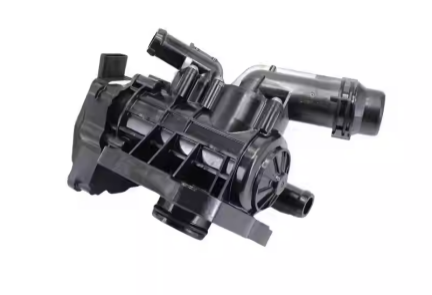
cooling pipelines thermal management system components
Challenges and Industry Collaboration
While the potential for 3D printing in the automotive industry is vast, several challenges remain. These include the standardization of material performance, cost-effectiveness for large-scale production, and the need for a shift in mindset from designers and engineers. To overcome these hurdles, automotive manufacturers must collaborate closely with leading 3D printing technology partners. This collaboration will drive the development of targeted materials, advanced processes, and quality assurance systems that will enable efficient, large-scale production.
Recent Posts
-
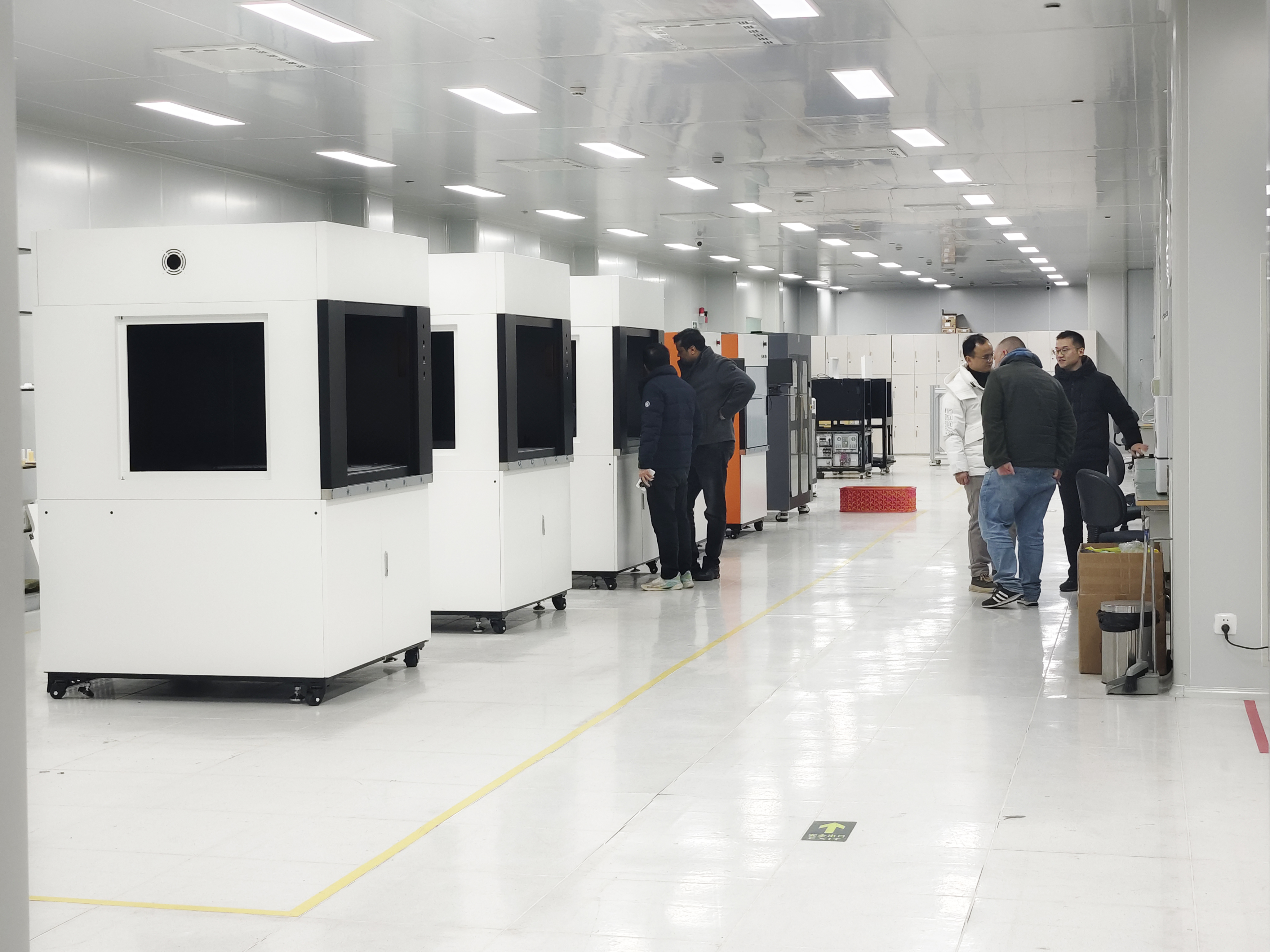 Today, we are thrilled to welcome our foreign clients to visit our company and explore our latest SLA 3D printer and its exceptional technological capabilities. This visit marks the beginning of a new chapter in our collaboration with international clients and lays a solid foundation for our future
 -
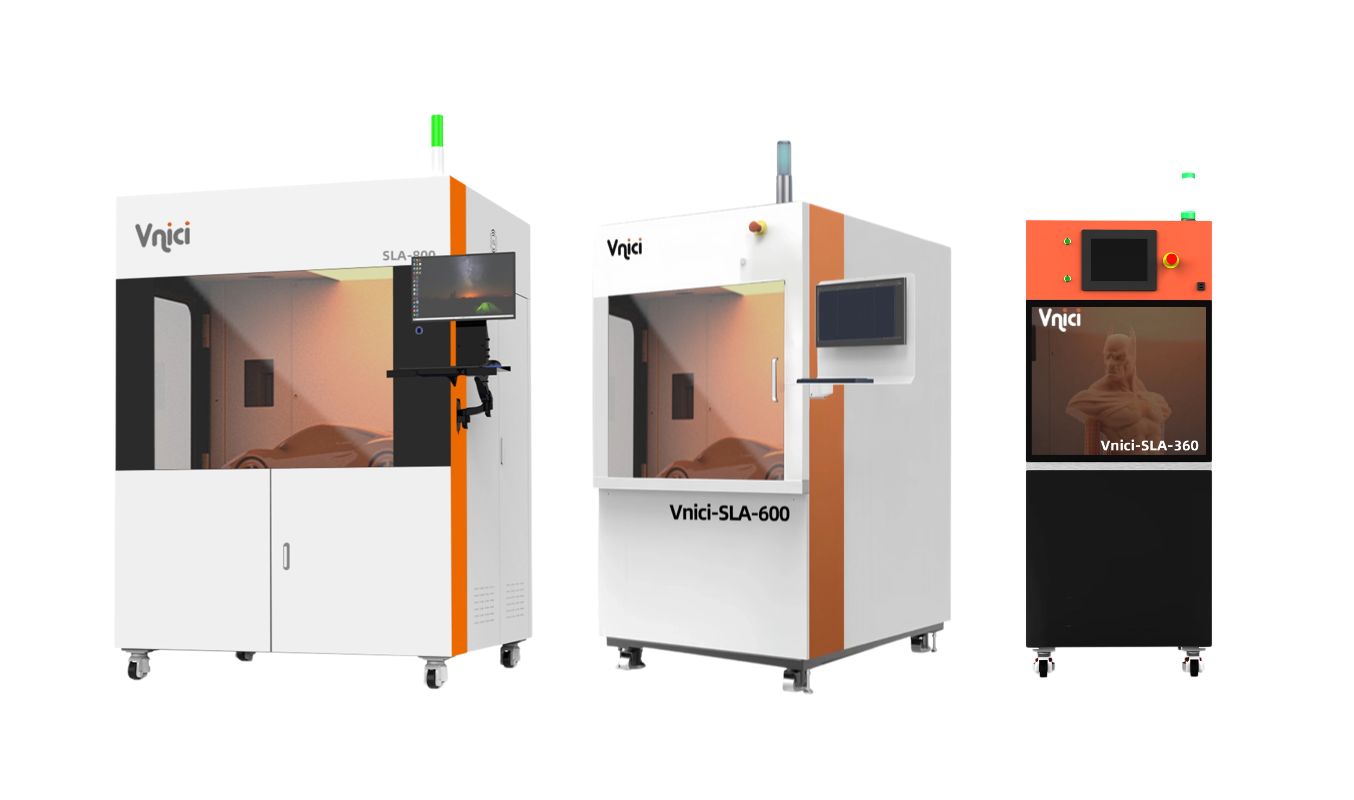 As 3D printing technology continues to evolve, SLA 3D printing has become one of the most widely used methods for producing high-precision parts and prototypes. Thanks to its excellent accuracy, smooth surface finish, and ability to create complex geometries, SLA technology is widely adopted across
 -
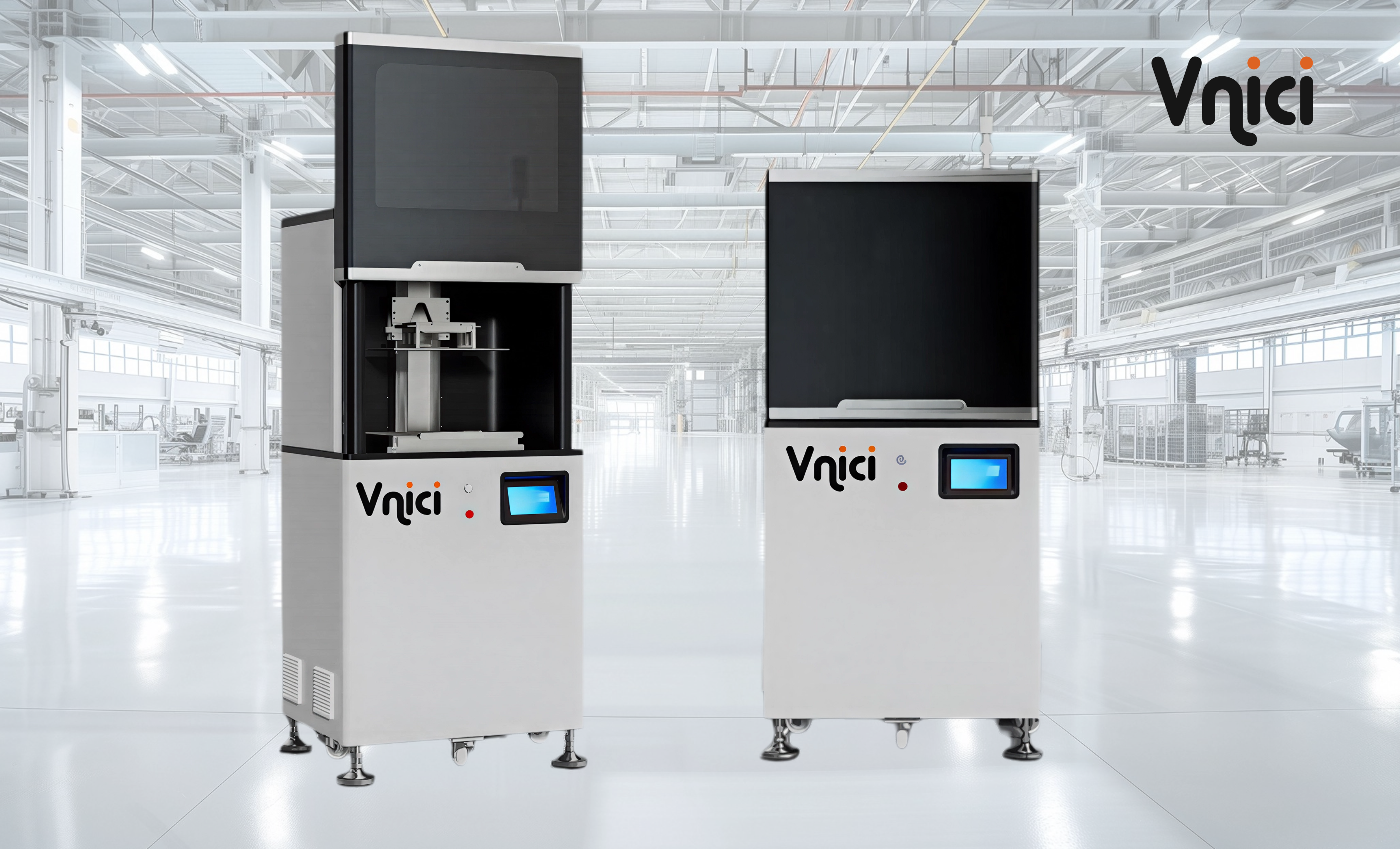 Ultrahigh Speed 3D Printer Introduction and Applications
 -
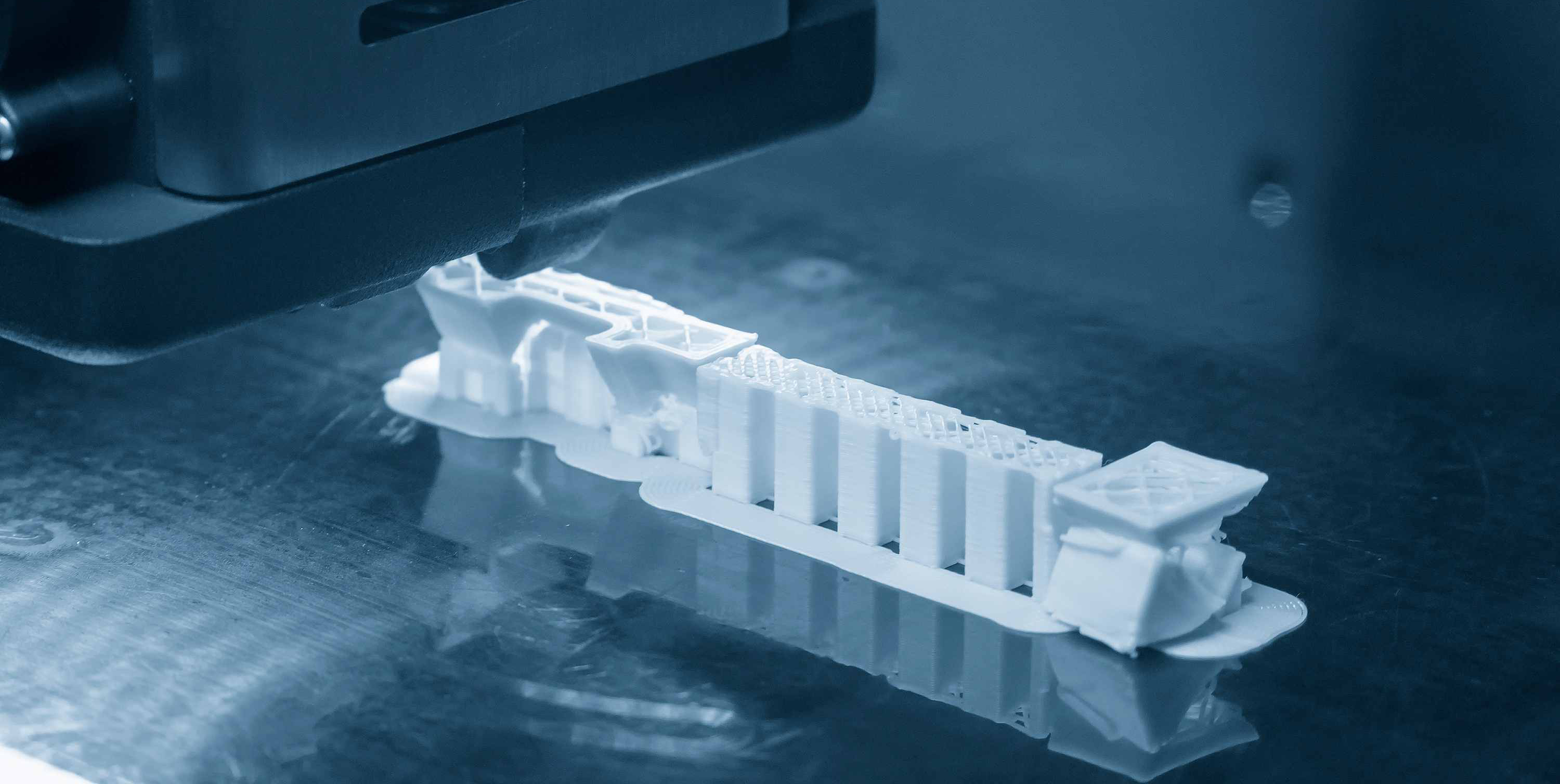 FDM 3D printing is one of the most widely used and accessible additive manufacturing technologies today. Known for its affordability, material versatility, and ease of use, FDM is commonly applied in prototyping, functional parts, tooling, and small-batch production across various industries.In this
 -
 China Records Historic Growth in 3D Printer Exports
 -
 China has become the global manufacturing hub for 3D printing technology, offering a complete ecosystem that covers hardware, materials, software, and large-scale production capabilities. From desktop prototyping systems to industrial-grade additive manufacturing solutions, Chinese manufacturers are
