



From Prototyping to Production-Ready Parts
For decades, industrial manufacturing has relied on traditional processes such as CNC machining, injection molding, and casting. While these methods remain essential, they often come with long lead times, high tooling costs, and limited design flexibility.
Today, 3D printing (additive manufacturing) is reshaping the manufacturing landscape—enabling faster development cycles, lower production risk, and entirely new ways to design and produce parts.
This article explores how 3D printing is transforming industrial manufacturing, and why more manufacturers are integrating it into their production workflows.
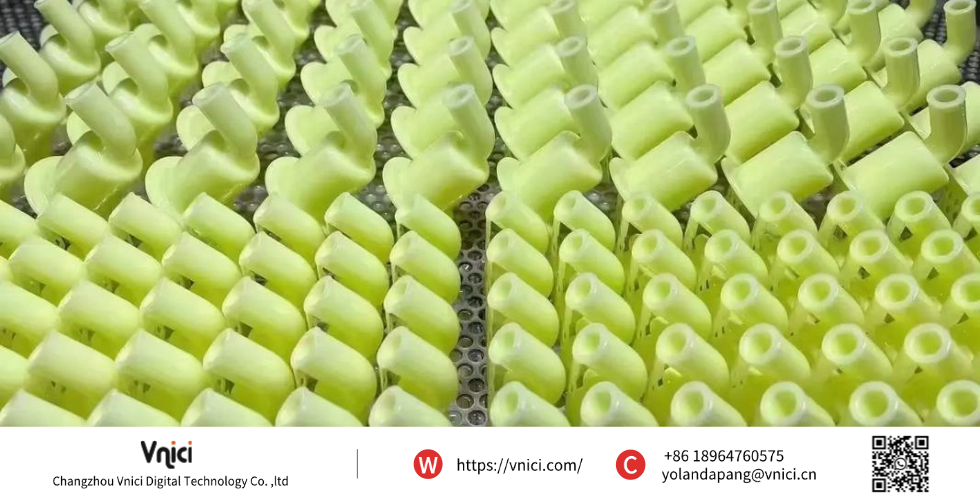
1. Faster Product Development and Iteration
One of the most immediate impacts of 3D printing in manufacturing is speed.
Traditional prototyping often requires:
Tooling or molds
Multiple suppliers
Long waiting periods
With industrial 3D printing:
Digital designs can be printed directly
Design iterations can be completed in hours or days
Engineers can test, refine, and validate parts much earlier
This rapid iteration significantly shortens time-to-market, especially for mechanical components, enclosures, fixtures, and custom assemblies.
2. Design Freedom Without Manufacturing Constraints
Conventional manufacturing limits designers to what tools can physically cut or mold. 3D printing removes many of these constraints.
Manufacturers can now produce:
Complex internal channels
Lightweight lattice structures
Integrated multi-part assemblies as a single piece
This design freedom leads to better-performing parts—lighter, stronger, and more functional—without increasing production complexity.
3. Cost-Effective Low-Volume and Custom Production
For small-batch or customized parts, traditional manufacturing can be prohibitively expensive due to tooling costs.
3D printing eliminates the need for molds, making it ideal for:
Low-volume production
Custom or variant-specific parts
Replacement and spare components
This is particularly valuable for industrial equipment manufacturers, automation integrators, and OEMs managing diverse product lines.
4. Functional Prototypes That Match Real-World Performance
Modern industrial 3D printing is no longer limited to visual models.
Technologies such as:
allow manufacturers to produce functional prototypes that closely replicate final production parts—both mechanically and dimensionally.
This reduces risk before moving to mass production.
5. On-Demand Manufacturing and Supply Chain Resilience
Global supply chains are increasingly vulnerable to delays and disruptions. 3D printing offers a decentralized, on-demand alternative.
Manufacturers can:
Produce parts locally
Reduce inventory and warehousing costs
Manufacture spare parts only when needed
This shift supports lean manufacturing and improves operational resilience.
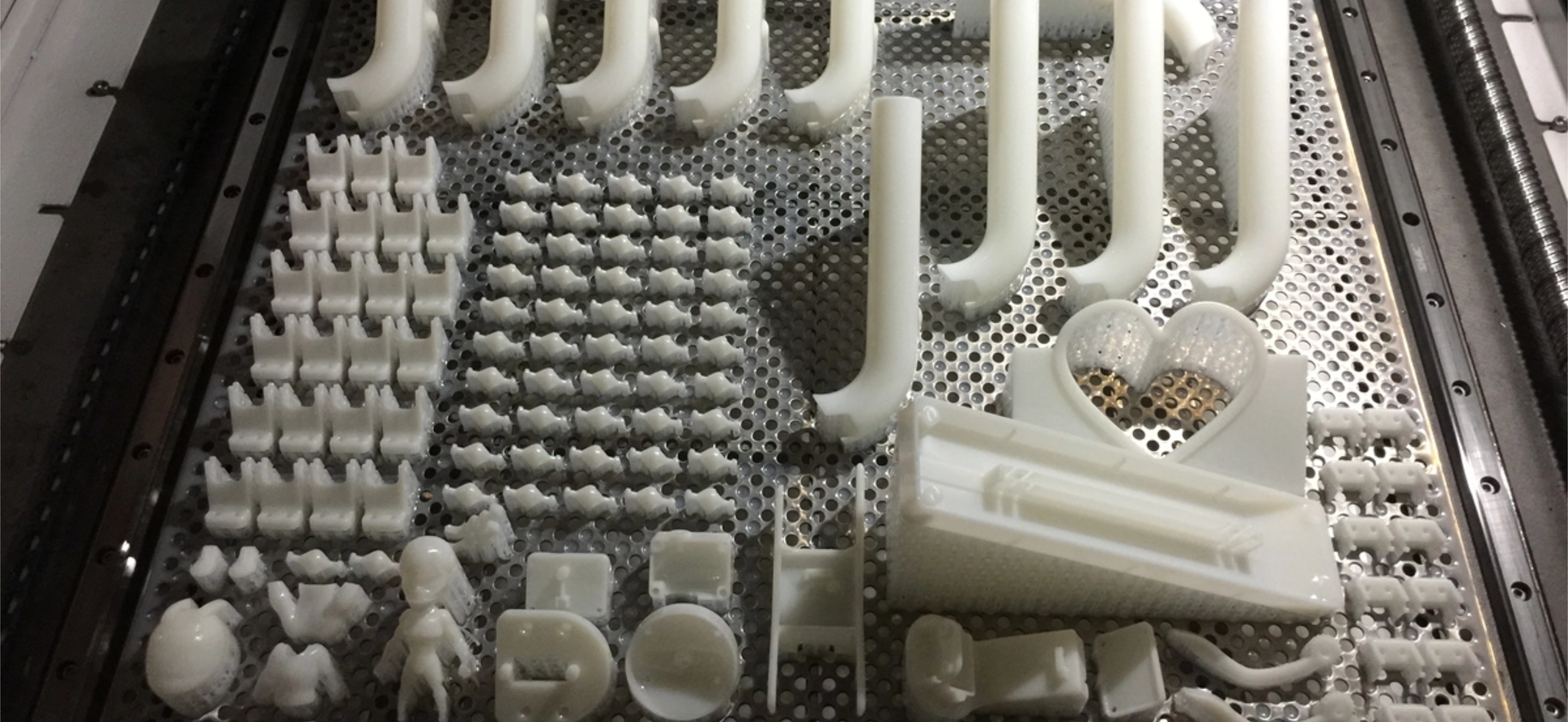
(Batch Printing with Multi-Model Simultaneous Verification)
6. Industrial-Grade 3D Printing in Real Manufacturing Environments
As adoption grows, manufacturers are moving beyond desktop systems toward industrial-grade 3D printing solutions—designed for accuracy, reliability, and scalability.
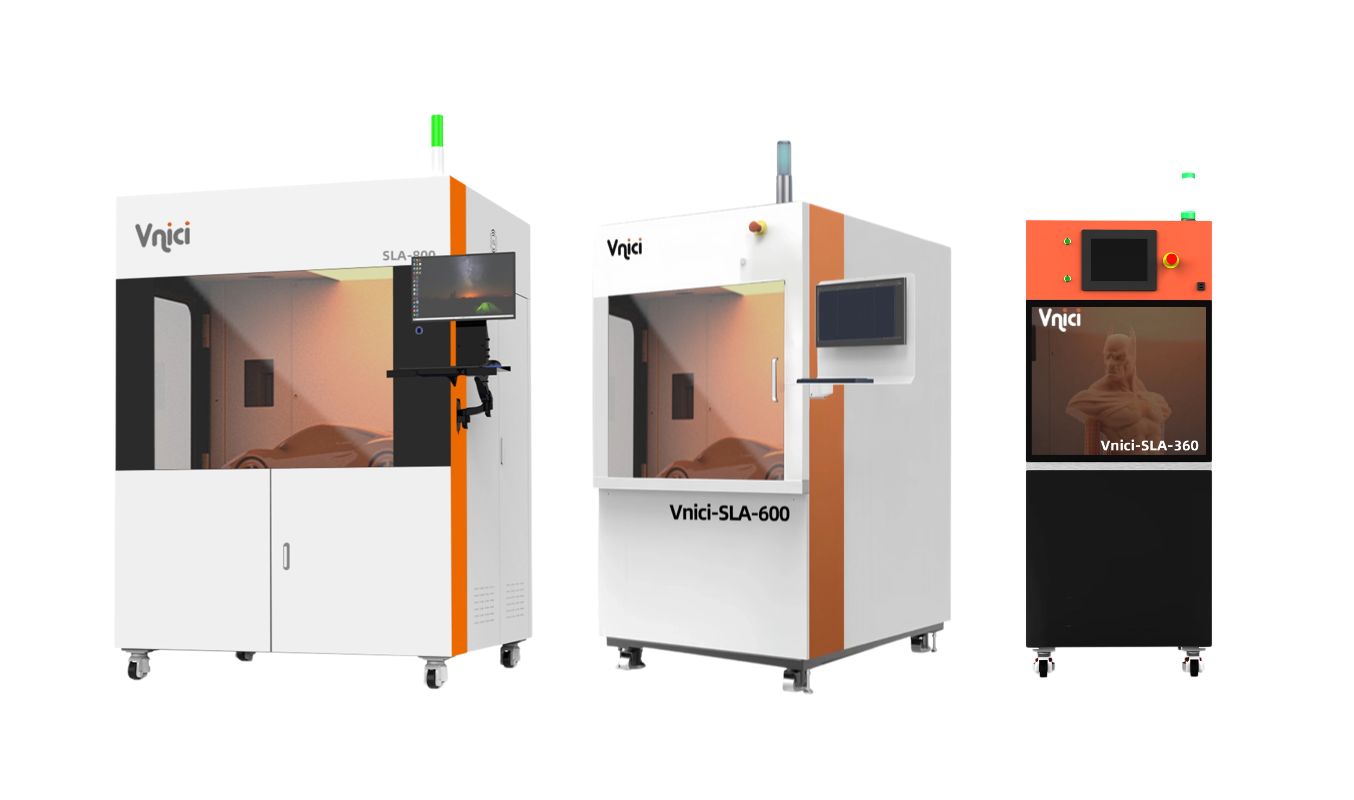
Companies like VNICI support this transition by providing:
Large-format industrial 3D printers
Multiple printing technologies (SLA, SLS, metal)
Materials optimized for engineering and production use
Rather than replacing traditional manufacturing, industrial 3D printing works alongside existing processes, enhancing flexibility and efficiency across the production cycle.
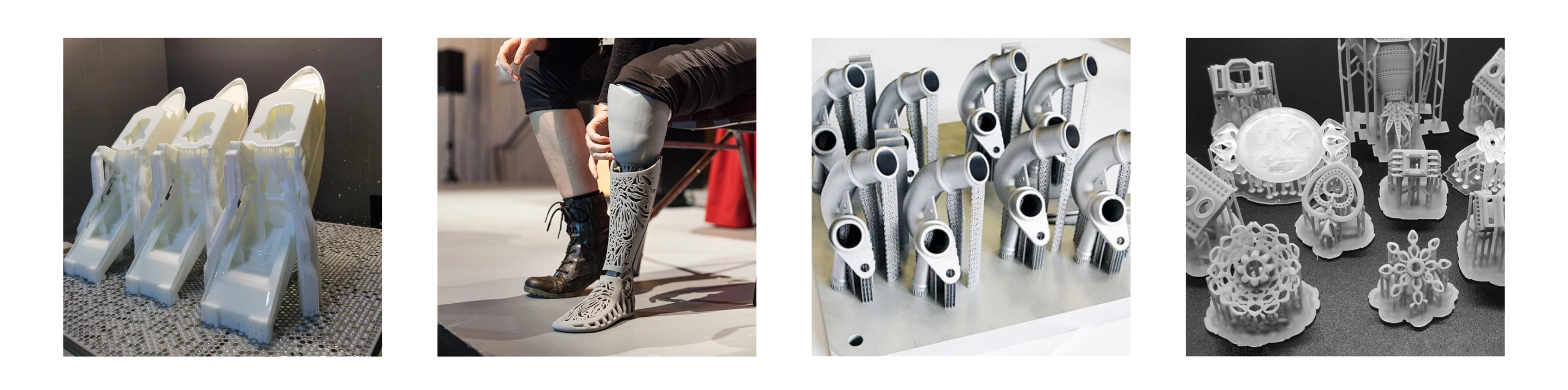
(Some Applications of 3D Printing)
7. The Future of Manufacturing Is Hybrid
The most successful manufacturers are not choosing between traditional manufacturing and 3D printing—they are combining both.
3D printing is becoming a core tool for:
Early-stage development
Bridge production
Custom and complex components
Manufacturing optimization
As technology advances, its role in end-use production will continue to expand.
Conclusion
3D printing is no longer just a prototyping tool—it is a strategic manufacturing technology that enables faster innovation, smarter design, and more resilient production systems.
For industrial manufacturers seeking agility, cost control, and competitive advantage, integrating 3D printing into the workflow is no longer optional—it is inevitable.
Thank you for your time and for reading my article.
Recent Posts
-
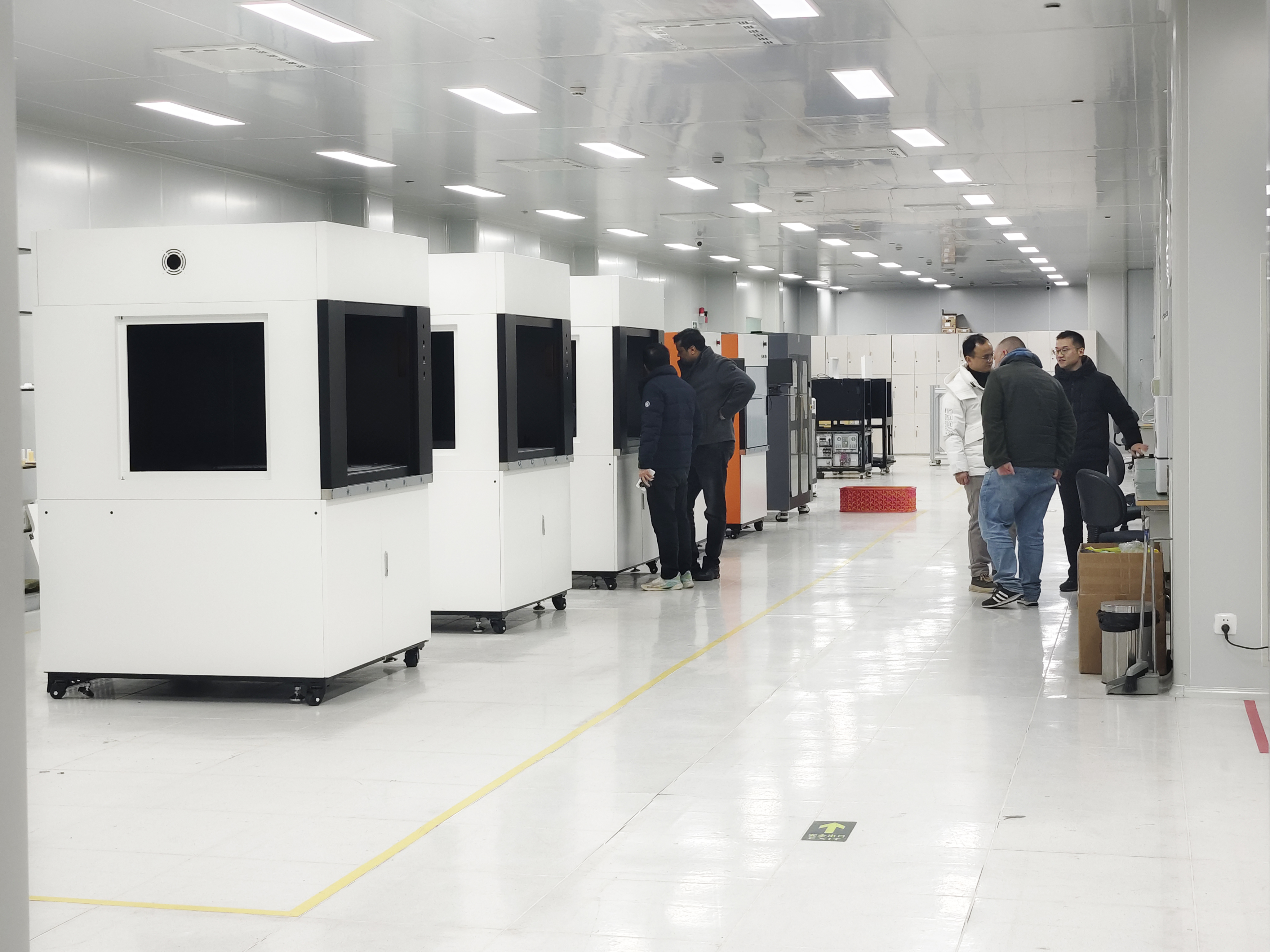 Today, we are thrilled to welcome our foreign clients to visit our company and explore our latest SLA 3D printer and its exceptional technological capabilities. This visit marks the beginning of a new chapter in our collaboration with international clients and lays a solid foundation for our future
 -
 As 3D printing technology continues to evolve, SLA 3D printing has become one of the most widely used methods for producing high-precision parts and prototypes. Thanks to its excellent accuracy, smooth surface finish, and ability to create complex geometries, SLA technology is widely adopted across
 -
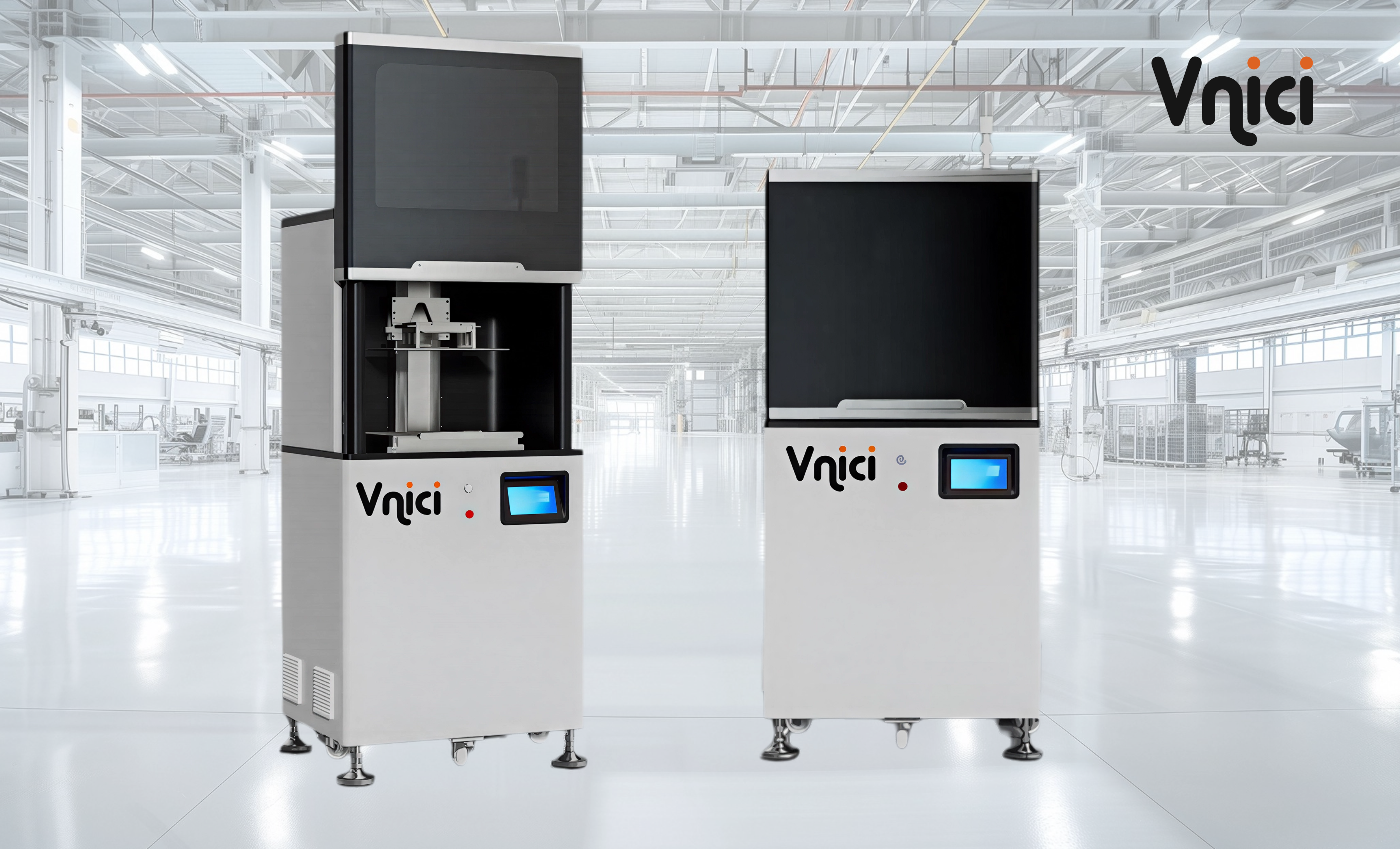 Ultrahigh Speed 3D Printer Introduction and Applications
 -
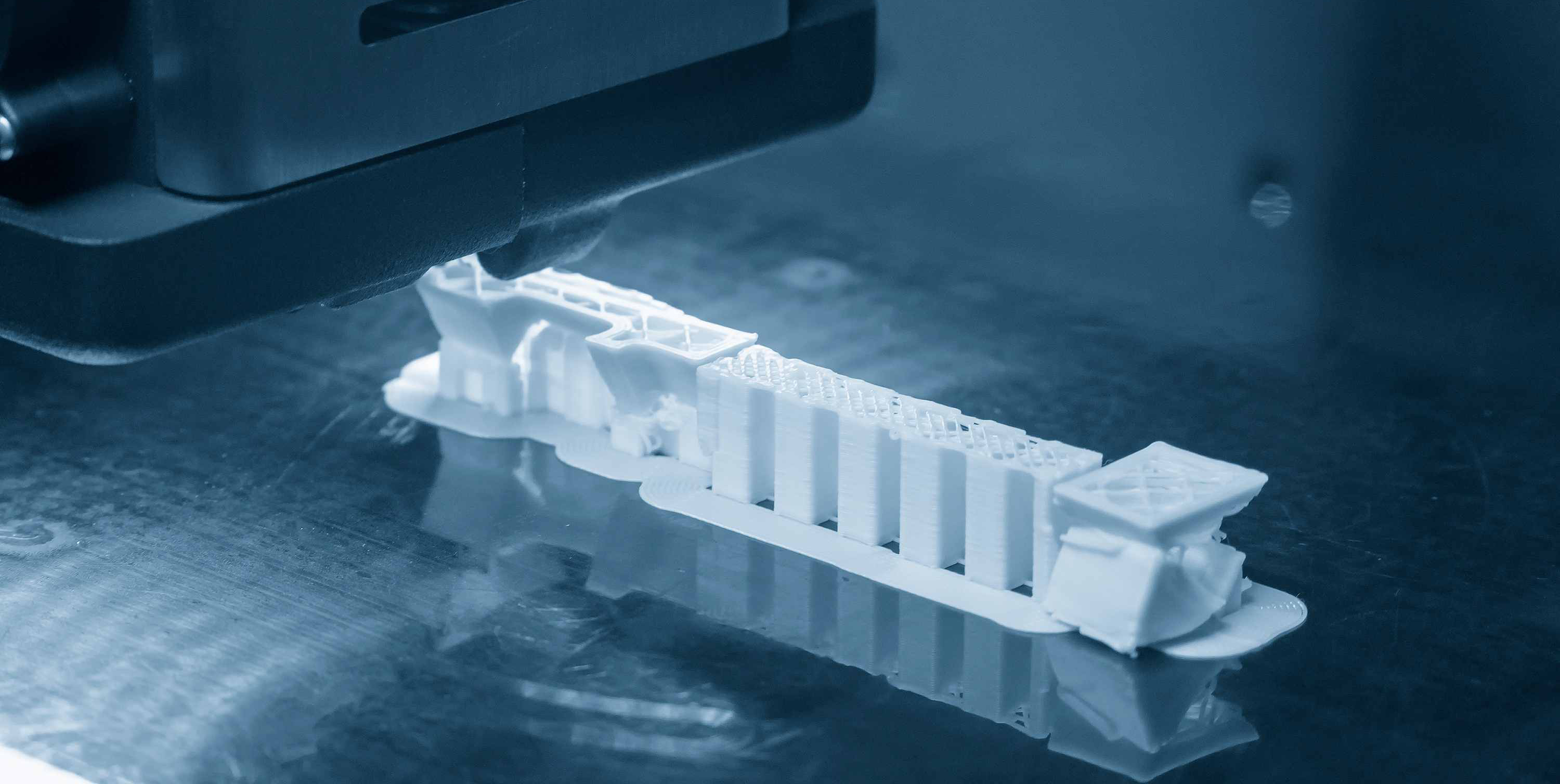 FDM 3D printing is one of the most widely used and accessible additive manufacturing technologies today. Known for its affordability, material versatility, and ease of use, FDM is commonly applied in prototyping, functional parts, tooling, and small-batch production across various industries.In this
 -
 China Records Historic Growth in 3D Printer Exports
 -
 China has become the global manufacturing hub for 3D printing technology, offering a complete ecosystem that covers hardware, materials, software, and large-scale production capabilities. From desktop prototyping systems to industrial-grade additive manufacturing solutions, Chinese manufacturers are
